
Innovative fiber technology can revolutionize the building structure, using carbon fiber + polyurethane materials
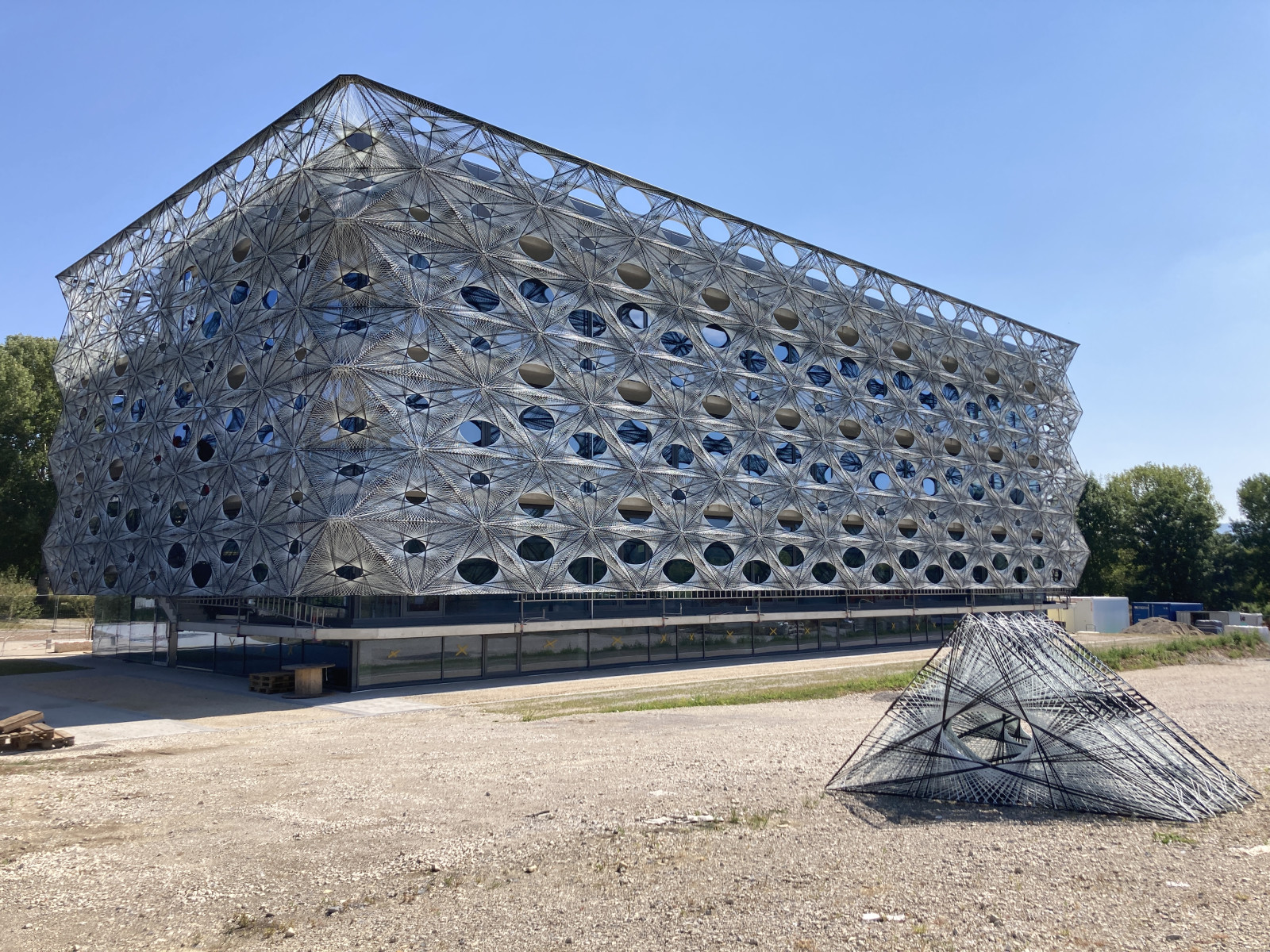
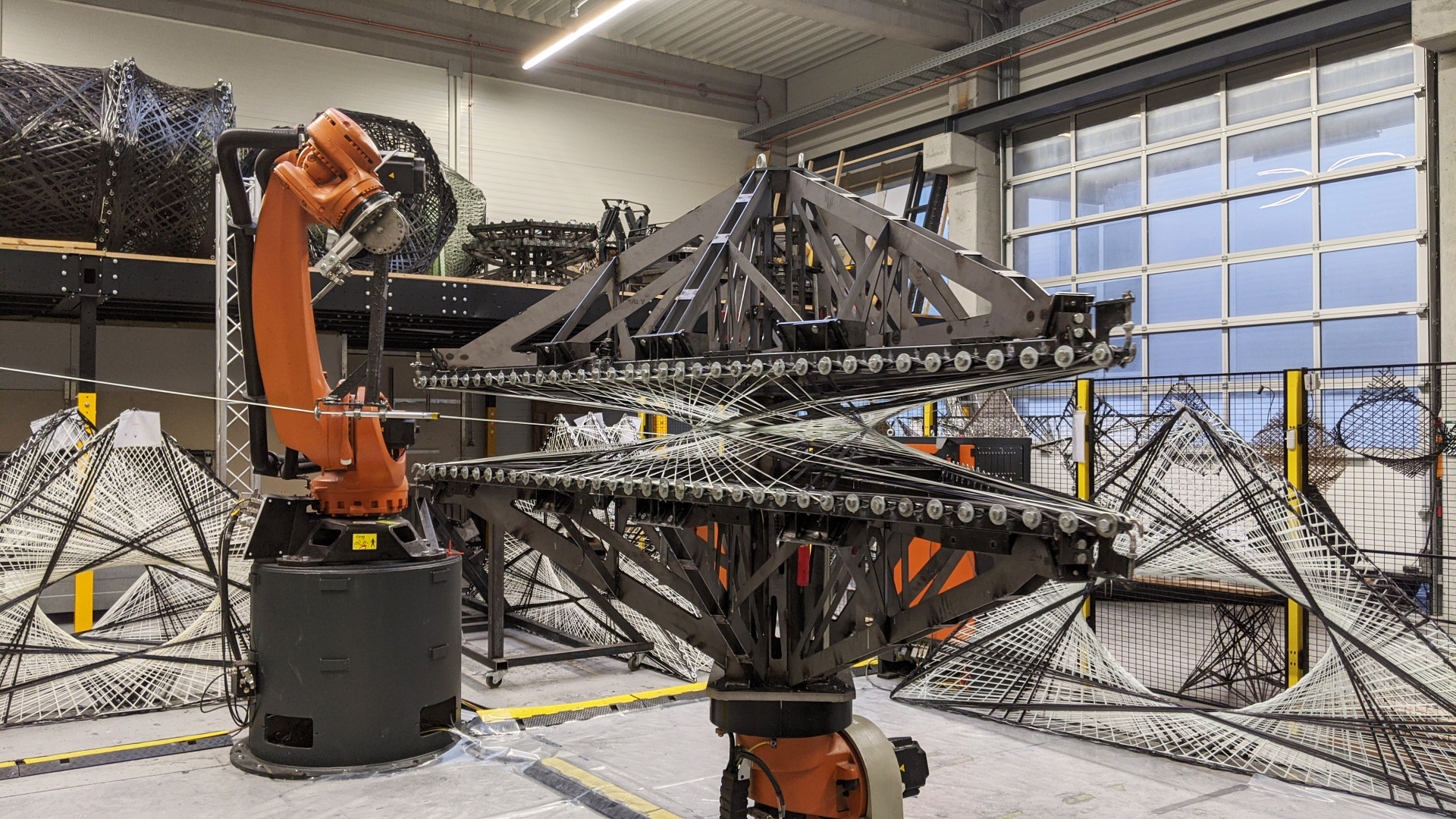
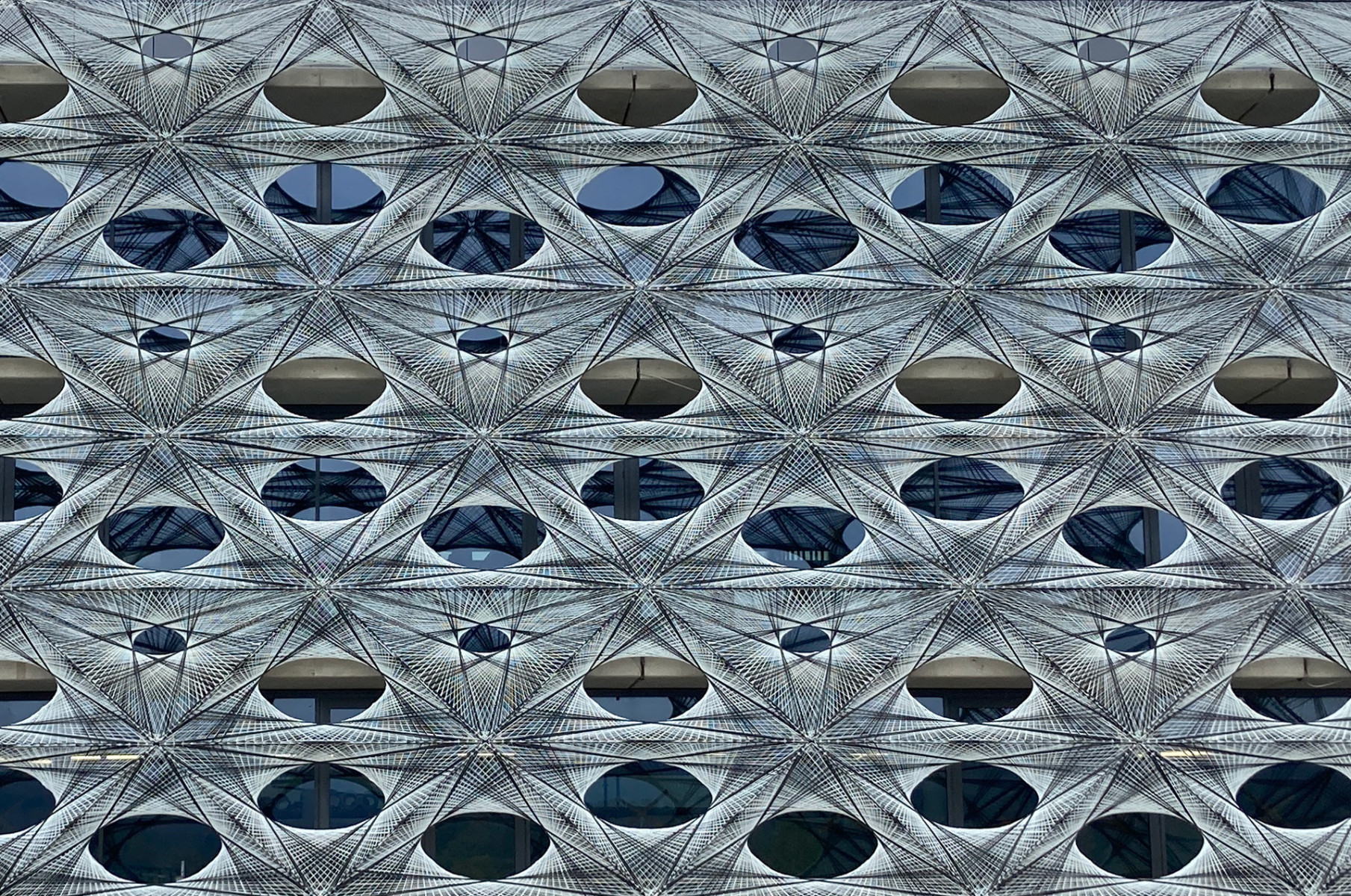
The co-inventor of this innovative technology is architect Professor Moritz Dorstelmann, whose company FibR was also involved in achieving the appearance of the Texoversum building: "Compared to traditional steel and concrete structures, we were able to use a minimum of materials because the robots only processed the fibers required for the corresponding structural strength. As a result, we also reduce a lot of CO2 emissions." Professor Moritz Dorstelmann also believes that the technology has advantages in terms of roof structure, support and interior decoration.
The strength and durability required for this composite is provided by Covestro's aliphatic polyurethane resin system, Desmocomp®, where the fibers act as if they are embedded in the substrate. Pejman Norastehfar, an architect and specialist in architectural applications in Covestro's Coatings and adhesives division, explains: "This resin has strong weather resistance and resistance to the sun's high-energy ultraviolet radiation, making it ideal for outdoor applications. Other advantages for the building include excellent chemical resistance and flame retardancy.
In the Texoversum building, the facade of the textile structure serves several important functions at the same time: it gives the building a unique appearance and stabilizes the surrounding balconies. It also acts as a railing and provides the necessary shade for the glass front at the back.
The building has an interior area of approximately 3,000 square meters and is used as a workshop, laboratory, textile collection room, think tank space and classroom. The construction of the Texoversum building, which cost 18.5 million euros, was financed by the Sudwesttextil Employers' Association, whose members include FibR, based in Kernen, east of Stuttgart.
Solvay has signed a supply agreement with Zotefoams to supply PVDF foams for aerospace applications
